
Massachusetts residents enjoy strong protections against spam text messages and robocalls due to state laws prioritizing consumer privacy. To combat unwanted contact, businesses must obtain prior consent for automated telemarketing. Key actions for residents include registering on the FTC's Do Not Call list and Massachusetts' own list. Consulting a lawyer for Spam Text Massachusetts offers specialized guidance under the Telephone Consumer Protection Act (TCPA), helping to identify spammers, seek damages, and ensure legal compliance. Documenting incidents and contacting the local Attorney General's office are practical steps. Legal experts empower individuals to protect their privacy and combat aggressive telemarketing practices.
In today's digital age, Massachusetts residents, like many across the nation, face an increasing onslaught of robocalls, often disguised as spam text messages. This nuisance not only disrupts daily life but also raises significant privacy concerns. Understanding and navigating these restrictive laws is crucial for maintaining control over one's communication channels.
This article aims to demystify Massachusetts' robocall laws, empowering residents with knowledge about their rights and options. We'll explore the legal framework surrounding these automated calls, highlighting recent changes and offering practical advice on how to deal with unwanted spam text messages. For expert guidance tailored to your state, consulting a lawyer specializing in Spam Text Massachusetts can be an invaluable step.
Understanding Massachusetts Robocall Laws: Your Rights Explained

Massachusetts residents are protected from intrusive robocalls under state laws designed to safeguard consumers' privacy and reduce unwanted contact. The Massachusetts Attorney General's Office has implemented strict regulations regarding automated telemarketing calls, often referred to as robocalls, offering valuable insights into citizens' rights and available remedies.
Under these laws, businesses engaging in automated phone marketing must comply with specific guidelines, including obtaining prior express consent from recipients before making any prerecorded or artificial message calls. This means that if you have not given explicit permission for a company to contact you via robocall, such calls are prohibited. Massachusetts residents can take comfort in knowing they have the legal standing to demand cessation of these unwanted calls and even seek financial redress.
In 2022, a study by the Federal Trade Commission (FTC) revealed that over 50 million robocalls were reported in Massachusetts alone, underscoring the urgency of understanding and asserting your rights. If you've received spam text or robocalls, consulting a lawyer for Spam Text Massachusetts can provide crucial guidance on navigating these complex legal issues. They can assist in evaluating potential violations, helping you file complaints, and pursuing appropriate legal action to stop the harassment and recover any financial losses incurred.
By staying informed about your rights under Massachusetts robocall laws, you can actively participate in protecting your privacy and join a growing movement to curb aggressive telemarketing practices. It's essential to remain vigilant and take advantage of the legal framework designed to safeguard consumers from unsolicited and intrusive communication methods.
How to Stop Unwanted Spam Text: Practical Steps for Residents
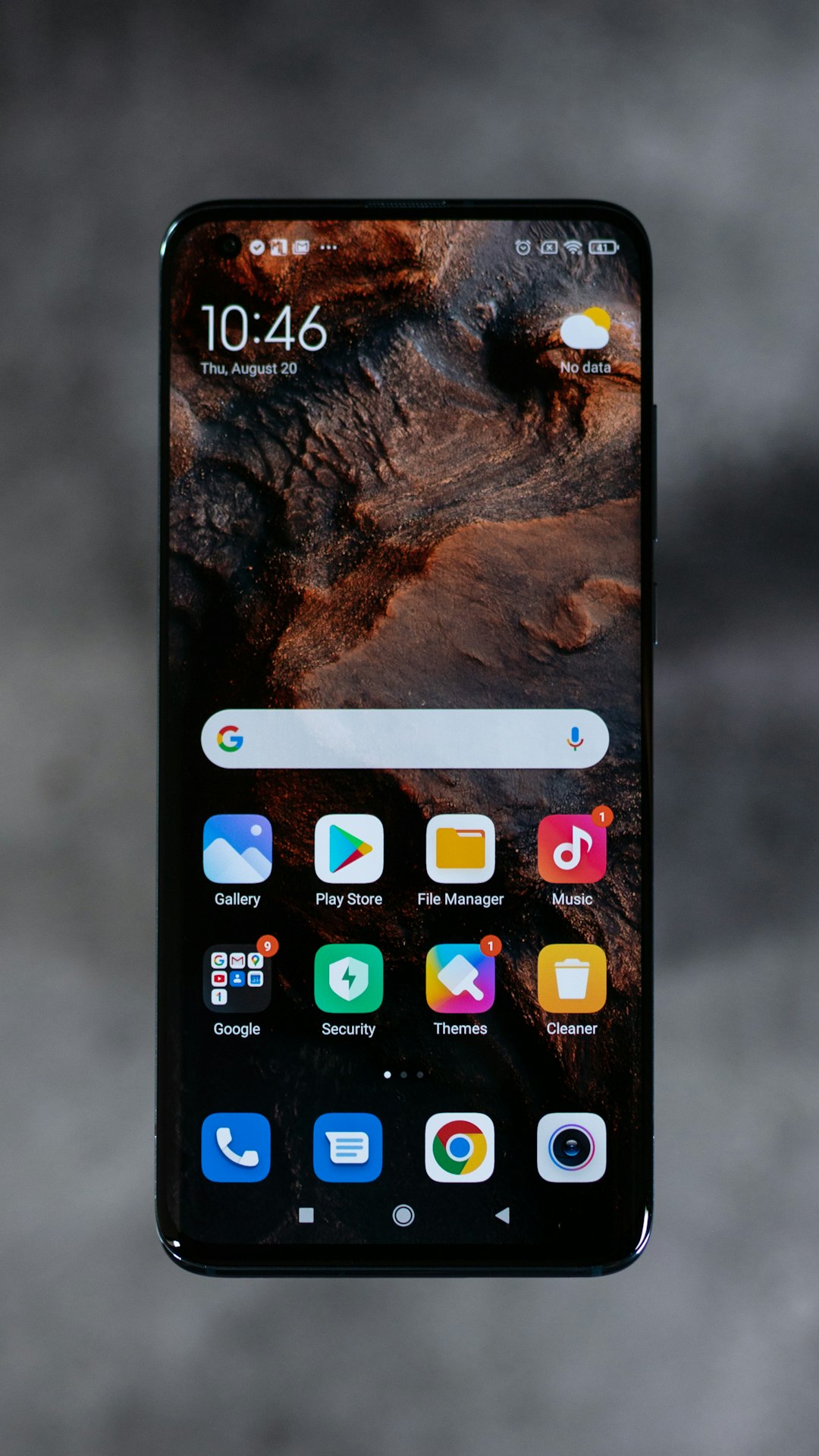
Massachusetts residents often find themselves on the receiving end of unwanted spam text messages, a nuisance that can lead to privacy invasion and potential fraud risks. Thankfully, state laws offer protections for consumers against such unsolicited communications. To combat this issue effectively, individuals should familiarize themselves with practical steps to stop these pesky texts.
One of the primary avenues is to register on the Do Not Call (DNC) list maintained by the Federal Trade Commission (FTC). This federal registry allows you to opt-out of most automated marketing calls and text messages. It's a simple process—you can sign up online or by phone through the FTC's website. Additionally, Massachusetts provides its own Do Not Call list, offering further protection. Remember, though, that these lists may not block all spam texts, as some senders bypass traditional registration methods.
For more comprehensive results, consider hiring a lawyer for Spam Text in Massachusetts. Legal experts can guide residents through specialized options like the Telephone Consumer Protection Act (TCPA), which prohibits unauthorized automated text messages. A lawyer can assist in identifying spammers, seeking damages if necessary, and ensuring compliance with state laws. They may also recommend using apps designed to block spam texts or employing filters that learn from your preferences. By combining official opt-outs and legal advocacy, Massachusetts residents can reclaim their privacy and silence the incessant buzz of unwanted spam messages.
When to Hire a Lawyer for Spam Text: Recognizing Legal Issues in MA

In Massachusetts, unsolicited text messages, commonly known as spam texts, are regulated by state laws designed to protect consumers from deceptive or annoying practices. While many spam texts fall into categories like telemarketing or fraudulent schemes, there's a gray area where recognizing legal issues becomes crucial—and that's when dealing with repeated or unwanted robocalls. If these messages disrupt your daily life or contain misleading content, considering hiring a lawyer for Spam Text Massachusetts could be a prudent step.
Massachusetts General Laws Chapter 93A addresses unfair and deceptive practices in trade, including unauthorized telephone solicitations. A pattern of persistent robocalls might constitute a violation, especially if they use automated dialing systems to send marketing messages without your prior consent. It's important to note that simply being annoyed by spam texts isn't enough to take legal action; you must establish a tangible impact on your well-being or financial security. For instance, if a series of robocalls leads to stress, sleep disturbances, or causes you to miss important tasks due to constant interruptions, these could be valid grounds for legal recourse.
Hiring a specialized lawyer for Spam Text Massachusetts can help navigate the complexities of robocall regulations and determine the best course of action. They can assess if the messages breach consumer protection laws, negotiate with the offending entities, or file lawsuits seeking damages for emotional distress or invasion of privacy. While data on successful legal actions against spam texts is limited, several cases have set precedents for holding companies accountable. For example, a 2018 settlement in which a telecommunications company agreed to pay $5 million to resolve claims related to unauthorized robocalls highlights the potential outcomes of such legal battles.
Practical advice for Massachusetts residents facing persistent spam texts includes documenting each instance—save messages, note dates and times—and contacting your local Attorney General's office for guidance. They may offer assistance or direct you to relevant resources. Remember, while these laws exist to protect consumers, enforcing them can be complex. A lawyer for Spam Text Massachusetts with expertise in this field is best equipped to guide individuals through the process, ensuring their rights are upheld and providing a powerful deterrent against future spamming activities.