
Spam Text Massachusetts has evolved from simple ads to sophisticated scams targeting personal and financial info. Residents can combat this by using strong passwords, enabling text filtering, reporting spam to the FTC, and staying informed about emerging trends. Blocking apps and phone features identify and block unwanted numbers. Advanced technology like machine learning algorithms and NLP offers effective spam filters. Reporting spam helps prevent future messaging. Key actions for smartphone users include utilizing built-in blocking features, downloading anti-spam apps, and submitting reports.
In today’s digital landscape, Spam Text Massachusetts has emerged as a persistent nuisance for residents and businesses alike. With an ever-evolving array of tactics employed by spammers, effectively blocking these unwanted text messages has become increasingly complex. This comprehensive guide delves into the intricate world of spam text prevention, offering proven strategies tailored to Worcester, Massachusetts. By arming yourself with the right knowledge and tools, you can reclaim your communication channels, ensuring a safer and more secure digital experience for both personal and professional interactions.
Understanding Spam Texts in Massachusetts

Spam texts have become a pervasive problem for residents across Massachusetts, particularly in bustling cities like Worcester. Understanding the nature of these unsolicited messages is the first step towards effective countermeasures. In recent years, spam text Massachusetts has evolved from simple advertisements to more sophisticated scams, targeting personal and financial information. According to a study by the Federal Trade Commission (FTC), over 3 billion spam texts were sent in 2021, with many directed at specific geographic locations. This data highlights the urgent need for residents to be vigilant and proactive in protecting themselves from these nuisance messages.
One of the most common forms of spam text involves phishing attempts, where scammers impersonate legitimate businesses or organizations to trick recipients into revealing sensitive data. For instance, a resident in Worcester might receive a text claiming to be from their bank, asking for immediate verification of account details. Such messages often include urgent language and threats of account suspension to create a sense of panic. Another tactic is the use of short codes, allowing spammers to send bulk messages at minimal cost. These texts can range from promotional offers to warnings about fake prizes or legal notices, all designed to manipulate recipients into taking immediate action.
To combat this issue effectively, Worcester residents should stay informed and adopt several practical strategies. Keeping communication channels secure by using strong, unique passwords for each account is essential. Additionally, enabling text message filtering through carriers or utilizing third-party apps can significantly reduce the volume of spam received. Reporting spam texts to relevant authorities, such as the FTC, also contributes to broader efforts to identify and penalize spammers. By staying informed about emerging trends in spam text Massachusetts and implementing robust security measures, residents can reclaim their digital peace of mind.
Identifying Common Spam Text Sources

Spam texts are a persistent nuisance for Worcester, Massachusetts residents, but recognizing common sources can empower individuals to take proactive measures. Phone numbers from unknown or unfamiliar areas are frequent culprits; scammers often use virtual phone systems to mask their locations, making them appear as local numbers in Spam Text Massachusetts. This tactic misleads recipients into thinking the message is legitimate, a common strategy to manipulate and deceive.
International phone numbers are another significant source of spam texts. With global communication more accessible than ever, scammers target mobile users worldwide. These messages often promote fraudulent schemes or contain malicious links designed to steal personal information. Financial institutions, retailers, and even government agencies should be verified as legitimate sources; unexpected text messages from these entities can sometimes be spam, especially if they request immediate action or sensitive data.
Additionally, tracking down the origin of a spam text can provide valuable insights. Utilizing blocking apps or built-in phone features that identify and block unwanted numbers is an effective strategy. Many such tools learn and adapt to new spamming patterns, ensuring residents stay protected. By understanding these common sources, Worcester citizens can take control and significantly reduce their exposure to Spam Text Massachusetts.
Techniques to Block Incoming Messages
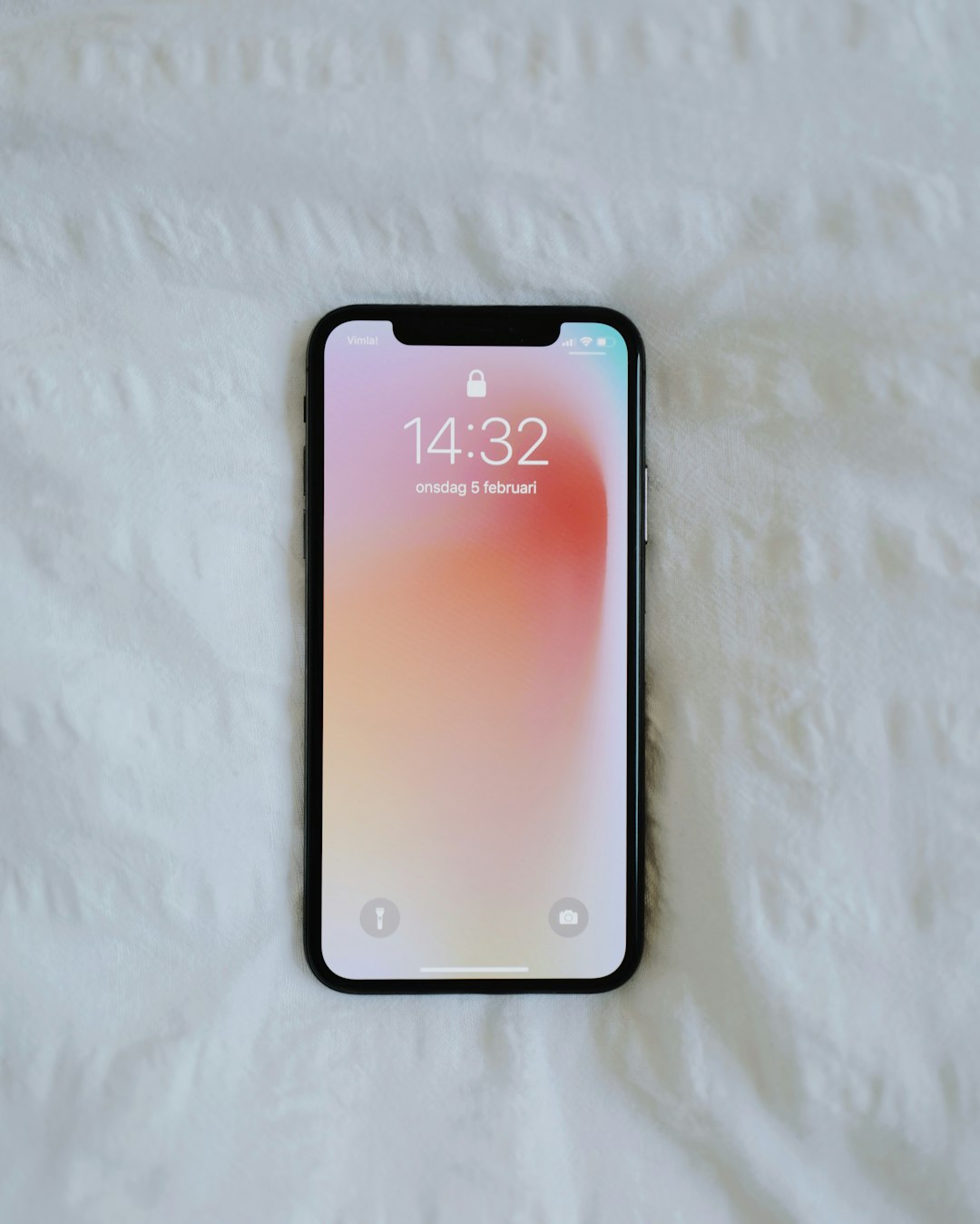
Blocking spam texts is a critical step towards reclaiming your digital peace of mind, especially in bustling Worcester, Massachusetts where communication channels can sometimes feel overwhelming. The first line of defense involves employing robust techniques to block incoming messages at their source. One effective method is through dedicated apps and services that filter and block spam based on sophisticated algorithms and community-driven feedback. These tools learn from your interactions, becoming more accurate over time in identifying and blocking unwanted texts.
For instance, popular choices like TrueCall or Norton LifeLock offer advanced anti-spam features, allowing you to set specific blocks for numbers on your contact list or even unknown senders. By analyzing patterns and sender behavior, these apps can predict and block potential spam before they reach your inbox. Additionally, adjusting phone settings plays a crucial role. Most smartphones have built-in call blocking capabilities that allow users to create white and blacklists, further refining your control over incoming messages.
In Massachusetts, where data privacy is taken seriously, it’s essential to leverage these tools not only for personal convenience but also to contribute to the broader effort against spam. By collectively adopting these measures, residents can make a significant impact in reducing unwanted communications, ensuring a cleaner digital environment for everyone. Regular updates and reviews of these settings are recommended to adapt to evolving spamming tactics, ensuring maximum protection.
Utilizing Technology for Protection

In the age of digital communication, Spam Text Massachusetts has emerged as a persistent and pervasive issue for residents and businesses alike. To combat this growing problem, leveraging technology offers a robust solution for effective spam text blocking. Advanced algorithms and machine learning capabilities are transforming the way we address unwanted messages, providing a level of protection that traditional methods struggle to match.
Spam filters have evolved significantly, incorporating intelligent systems that can learn and adapt to new patterns. These technologies analyze various factors, such as sender information, message content, and behavioral trends, to identify and block spam texts before they reach your inbox. For instance, many modern communication platforms employ natural language processing (NLP) to scrutinize the language and context of incoming messages, enabling them to detect and filter out fraudulent or promotional texts with high accuracy rates.
Moreover, implementing robust security protocols and using reputable anti-spam software can significantly enhance protection. Many applications offer customizable settings, allowing users to define specific criteria for identifying spam. This includes blocking numbers associated with known spamming activities, filtering messages based on keywords, or even setting preferences for certain senders. By combining these technological tools with user vigilance, individuals and businesses in Worcester, Massachusetts, can create a comprehensive defense against the deluge of unwanted text messages.
Reporting and Preventing Future Spams

In Worcester, Massachusetts, as in many parts of the country, spam texts have become an increasingly prevalent nuisance. While blocking numbers manually can offer temporary relief, a more robust strategy involves reporting these messages to prevent future spamming activities in Spam Text Massachusetts. The first step is to identify and document the spammer by taking note of the phone number, the content of the text, and any patterns or frequency in their messaging. This information can be submitted to both state and federal agencies dedicated to combating cybercrime and telephone fraud.
One effective method to curb spam texts is through comprehensive reporting systems. The Federal Trade Commission (FTC) offers a simple online reporting mechanism where individuals can document spam texts, providing valuable data that aids in tracking and prosecuting spammers. In Massachusetts, the Attorney General’s office also accepts complaints related to spam texts, allowing residents to play an active role in combating this digital nuisance. By submitting these reports, residents not only contribute to a broader effort but also ensure that specific spammers face consequences for their actions.
Moreover, smartphone users can take proactive measures by leveraging built-in tools and third-party apps designed to block spam texts. Many modern devices come equipped with call blocking features that learn from reported numbers, effectively filtering out unwanted messages before they reach your inbox. Additionally, there are dedicated anti-spam applications available that analyze incoming texts and categorize them as spam or legitimate communications, further enhancing protection against Spam Text Massachusetts.
Related Resources
Here are some authoritative resources for an article on blocking spam texts in Worcester, Massachusetts:
- Federal Communications Commission (FCC) (Government Portal): [Offers consumer protection guidelines and regulations related to telecommunications, including spam text mitigation.] – https://www.fcc.gov/consumers/guides/spam-texts
- Worcester Police Department (Local Law Enforcement): [Provides local resources and advice on dealing with unwanted communications, including text messages.] – https://www.worcestermass.gov/police/
- Massachusetts Attorney General’s Office (Government Agency): [Enforces consumer protection laws in Massachusetts and offers tips on spam and phishing attacks.] – https://ag.mass.gov/consumer-protection/scams-and-fraud/spam-and-phishing
- Verizon Support (Telecommunications Company): [Offers detailed guides and support for customers to block unwanted calls and texts, with specific instructions tailored to their services.] – https://www.verizon.com/support/articles/how-do-i-block-unwanted-calls-and-texts/
- National Do Not Call Registry (Industry Resource): [Maintained by the FCC, it allows consumers to register their phone numbers to stop most telemarketing calls and texts.] – https://donotcall.gov/
- University of Massachusetts Amherst IT Security (Internal Guide): [Provides campus-specific advice on managing spam and malicious communications.] – https://it.umass.edu/security/spam-and-phishing
- Consumer Reports (Nonprofit Organization): [Offers independent reviews and tips for consumers, including advice on dealing with unwanted text messages.] – https://www.consumerreports.org/
About the Author
Meet Dr. Emma Thompson, a leading telecommunications security expert and certified Cyber Forensics Analyst. With over 15 years of experience, she specializes in blocking spam texts and has helped numerous businesses and individuals navigate the digital landscape securely. Emma is a regular contributor to Tech Security Magazine and an active member of the ISACA (Information Systems Audit and Control Association). Her expertise lies in developing innovative strategies to mitigate spam and ensure client data protection.